
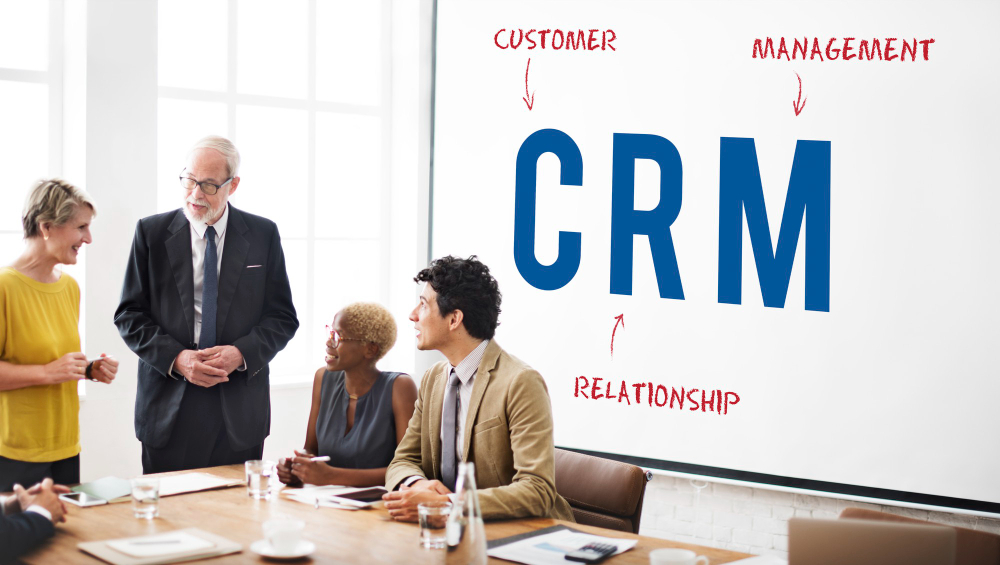
In today’s competitive digital economy, managing customer relationships efficiently is no longer optional — it’s a strategic necessity. Whether you’re operating in India’s rapidly growing market or expanding into regions like Saudi Arabia and the Middle East, a CRM (Customer Relationship Management) system plays a critical role in scaling your business.
At iCodeBees, we’ve worked with businesses across industries, and one thing is clear: companies that implement CRM systems early gain a significant competitive advantage.
Let’s explore why CRM is so important
Centralized Customer Data (Single Source of Truth)
One of the biggest challenges businesses face is scattered data — spreadsheets, emails, WhatsApp chats, and multiple tools. A CRM consolidates everything into one unified system.
- Store customer details, communication history, deals, and documents
- Enable teams (sales, support, marketing) to access the same data
- Reduce dependency on individual employees
In markets like India and Saudi Arabia, where customer relationships are long-term and trust-driven, having accurate and accessible data is crucial.
Streamlined Sales Pipeline & Higher Conversions
A CRM helps you visualize and manage your entire sales pipeline.
- Track leads from inquiry to closure
- Set follow-ups and reminders
- Identify bottlenecks in the sales process
- Forecast revenue more accurately
In competitive regions like the Middle East, quick response time and structured follow-ups can significantly increase conversion rates.
Enhanced Customer Experience & Retention
Today’s customers expect personalized interactions. A CRM enables businesses to deliver just that.
- Understand customer preferences and behavior
- Provide faster and more relevant responses
- Maintain consistent communication across channels
In Saudi Arabia and India, where customer loyalty plays a major role, better experience directly leads to repeat business and referrals.
Automation That Saves Time & Cost
Manual processes slow down growth. CRM systems automate repetitive tasks:
- Automated follow-ups and notifications
- Lead assignment to sales teams
- Email workflows and customer journeys
- Report generation
This reduces human error and frees up your team to focus on high-value activities like closing deals and strategy.
Data-Driven Insights & Smarter Decisions
A CRM is not just a database — it’s a powerful analytics tool.
- Sales performance reports
- Customer acquisition trends
- Team productivity metrics
- Campaign effectiveness
These insights help businesses in India and the Middle East make informed decisions, optimize strategies, and scale efficiently.
Scalability & Multi-Region Expansion
As your business grows, managing operations becomes complex. A CRM ensures scalability.
- Handle thousands of customers effortlessly
- Manage multiple teams and locations
- Standardize processes across regions
Especially for businesses expanding into Saudi Arabia or GCC countries, a CRM helps maintain control while scaling operations.
Better Team Collaboration
A CRM creates transparency across departments.
- Sales, marketing, and support work on shared data
- Reduce miscommunication and duplication
- Improve internal efficiency
This is critical for distributed teams and growing organizations.
Foundation for Digital Transformation & SaaS Growth
For businesses moving towards digital platforms or SaaS models, CRM becomes the backbone.
- Integrates with ERP, eCommerce, and marketing tools
- Supports API-driven workflows
- Enables automation at scale
This is especially relevant for companies building platforms or expanding digitally.
Final Thoughts
A CRM is no longer just a “nice-to-have” tool — it’s a core business system that drives growth, efficiency, and customer satisfaction.
For businesses in India and the Middle East, adopting the right CRM can:
✔ Improve sales performance
✔ Enhance customer relationships
✔ Enable scalable growth
✔ Support digital transformation
At iCodeBees, we specialize in building and customizing CRM solutions tailored to your business — whether you’re starting fresh or upgrading your existing system.

