

Managing warehouse operations and inventory efficiently is one of the biggest challenges for growing ecommerce businesses. As order volumes increase across multiple sales channels, handling stock manually or using disconnected systems can lead to inventory mismatches, delayed shipments, overselling, and…
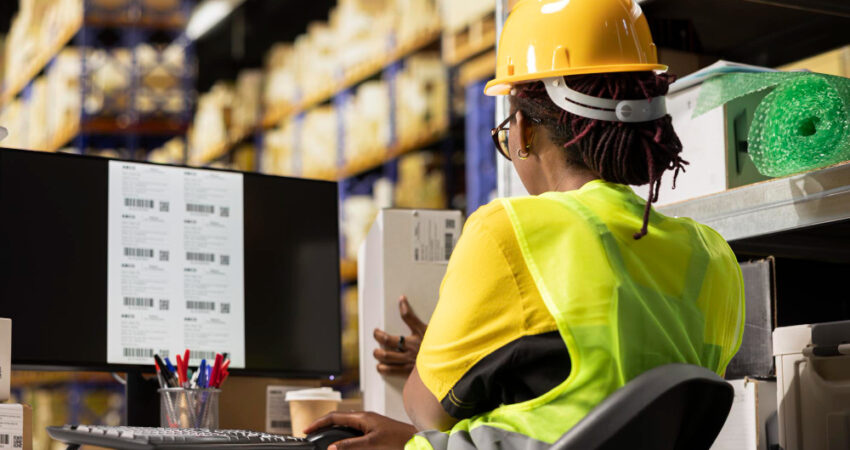
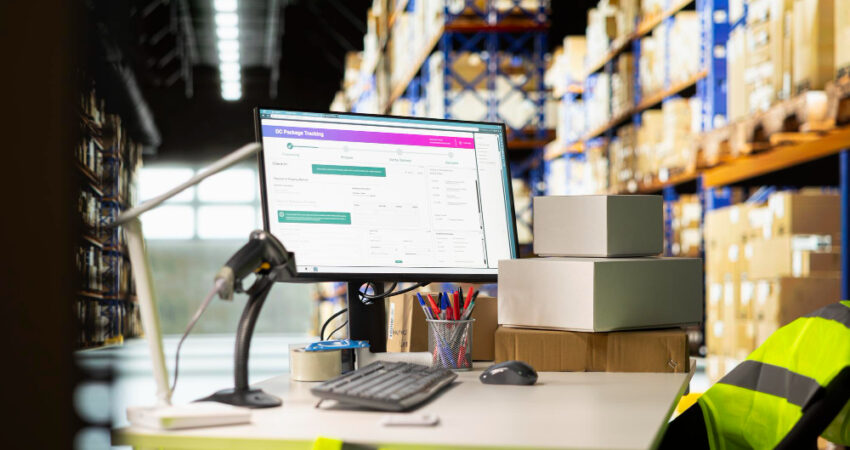

Running an online shop involves much more than managing a website. Businesses today handle inventory, orders, customers, accounting, shipping, procurement, and reporting across multiple systems. When these systems operate separately, it often leads to manual work, inconsistent data, and operational…
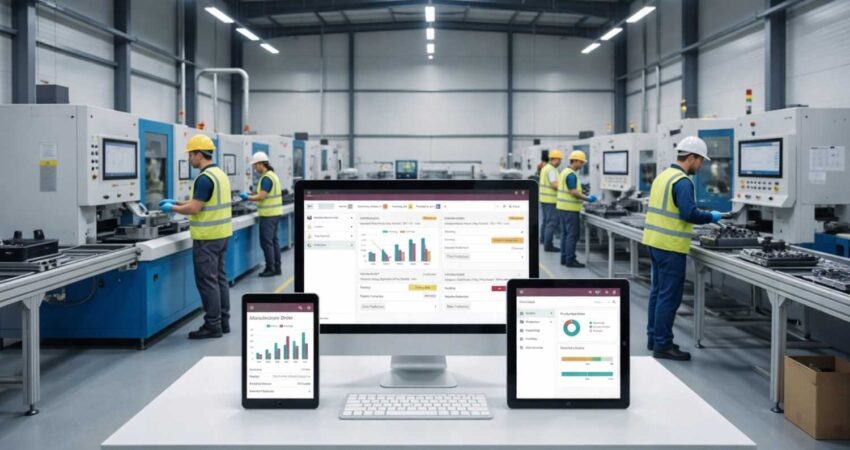

The Need for ERP in Modern Manufacturing Manufacturing operations involve multiple interconnected processes-from procurement and inventory management to production planning, quality control, and distribution. Without a unified system, businesses often face: Limited real-time visibility across operations Inefficiencies in production scheduling…
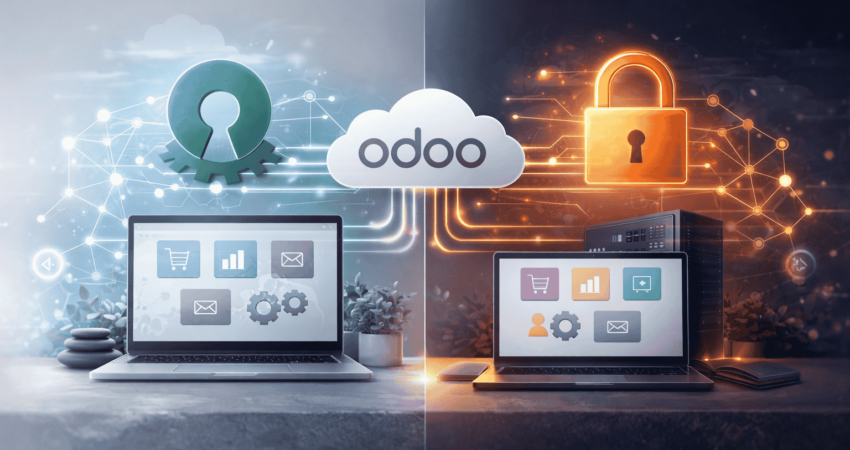

Enterprise Resource Planning (ERP) systems play a central role in managing business operations, integrating functions such as finance, inventory, sales, and human resources into a unified platform. When selecting an ERP solution, businesses often face a fundamental choice: open-source or proprietary systems.…

In today’s competitive digital economy, managing customer relationships efficiently is no longer optional — it’s a strategic necessity. Whether you're operating in India’s rapidly growing market or expanding into regions like Saudi Arabia and the Middle East, a CRM (Customer…


Dubai’s real estate sector is one of the most dynamic and fast-growing markets in the world. With multiple high-value projects, strict regulatory frameworks, and complex financial structures, real estate businesses in Dubai require efficient, scalable, and transparent management systems. This is…


The UAE has rapidly transformed into one of the world’s most dynamic business hubs, attracting startups, SMEs, and multinational enterprises alike. With increasing competition, regulatory compliance requirements, and digital-first customers, businesses can no longer rely on disconnected systems or manual…


In 2026, small and medium-sized enterprises (SMEs) are operating in a highly competitive, digital-first environment. Managing finance, sales, inventory, employees, and customers using disconnected tools is no longer sustainable. This is where Odoo ERP stands out. Odoo is a modular, scalable, and…


Why Education Administration Needs ERP Software? Education institutions today operate more like complex enterprises than traditional classrooms. Schools, colleges, and universities manage thousands of students, faculty, departments, finances, examinations, admissions, compliance, and infrastructure — all while maintaining high academic standards.…


Modern business applications demand fast, interactive, and user-friendly interfaces. As Odoo continues to evolve into a full-scale enterprise platform, traditional XML-based views alone are no longer sufficient for complex workflows and real-time interactions. To address this, Odoo introduced OWL (Odoo…