
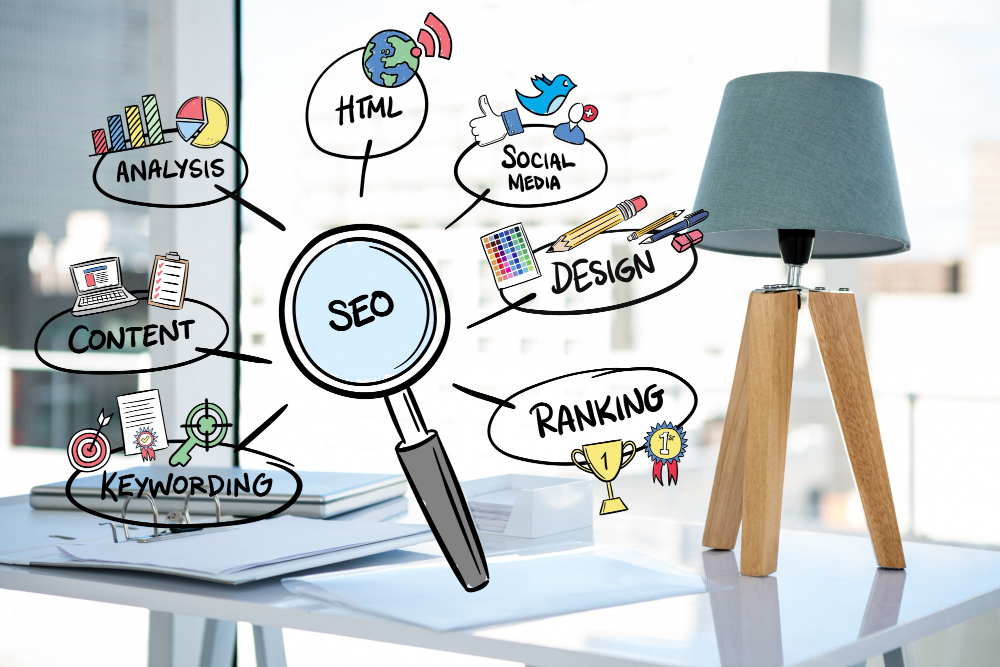
In modern ecommerce, Magento (Adobe Commerce) category pages are no longer simple product listing pages. They function as high-value SEO landing pages that directly influence organic visibility, user engagement, and revenue growth.
With Google’s AI-powered Search Generative Experience (SGE), Bing AI, evolving Core Web Vitals, and semantic ranking models, category pages must now deliver structured, intent-driven, and performance-optimized experiences.
This guide outlines 15 proven strategies to optimize Magento category pages for higher rankings in 2026, enabling enterprise and mid-market merchants to outperform competitors on Google, Bing, and AI-driven search platforms.
How to Optimize Magento Category Pages for Higher Rankings
1. Optimize Category Titles for Search Intent
Category titles remain the most influential on-page ranking factor.
Best Practices:
- Include primary commercial keywords
- Align with transactional intent (buy, shop, online, price)
- Keep within 55–60 characters
Example:
Men’s Formal Shoes Online – Premium Leather Office Shoes
Magento Path:
Catalog → Categories → Display Settings → Page Title
2. Create Unique, High-Quality Category Descriptions
Every category should contain unique, conversion-focused copy that explains product benefits, use cases, and differentiators.
Well-written category descriptions:
- Improve keyword relevance
- Increase dwell time
- Support AI-driven summarization
Use both:
- Short description (above product grid)
- Long description (below product grid)
3. Implement Keyword-Optimized H1 and Subheadings
Each category page should follow a clear semantic structure:
- One H1 tag (category name)
- Multiple H2 and H3 subheadings for supporting content
Recommended Structure:
H1: Men's Formal Shoes
H2: Types of Formal Shoes for Men
H2: How to Choose Office Shoes
H2: Why Buy From Our Store
4. Add FAQ Sections to Category Pages
FAQ sections improve long-tail visibility and eligibility for rich results.
Benefits:
- Increased topical relevance
- Better AI search visibility
- Higher engagement and trust
Include 3–6 buyer-focused questions per category.
5. Optimize Magento Page Category URLs
Clean URLs improve crawlability and CTR.
Best Practices:
- Short, keyword-rich URLs
- Avoid IDs and parameters
- Use hyphenated structure
Example:/mens-formal-shoes
Magento Setting:Search Engine Optimization → URL Key
6. Strengthen Internal Linking Architecture
Internal links distribute authority and improve indexation.
Key Areas:
- Homepage → Primary categories
- Blog content → Category pages
- Category → Subcategories
Include contextual links within category descriptions.
7. Optimize Images for Search and Performance
Image optimization enhances page speed and image search visibility.
Standards:
- WebP format
- Descriptive filenames
- Optimized ALT attributes
- Lazy loading
8. Improve Page Speed and Core Web Vitals
Performance is a direct ranking factor.
Recommended Stack:
- Varnish Cache
- Redis
- CDN (Cloudflare / Fastly)
- WebP + lazy loading
- JS and CSS bundling
Target Metrics:
- LCP < 2.5s
- CLS < 0.1
- INP < 200ms
9. Resolve Duplicate Content Issues
Magento generates duplicate URLs through filters, sorting, and pagination.
Mitigation Strategy:
- Canonical URLs
- Noindex on non-SEO filter combinations
- SEO-friendly layered navigation
10. Implement Structured Data (Schema Markup)
Schema improves eligibility for rich results and AI extraction.
Recommended Schema Types:
- Product
- Breadcrumb
- FAQ
- CollectionPage
11. Optimize Filters and Faceted Navigation
Poorly configured filters can damage SEO.
Best Practices:
- Index only high-value filters
- Block crawl on non-commercial combinations
- Create dedicated SEO landing pages for top attributes
Example:
/mens-formal-shoes/black
/mens-formal-shoes/leather
12. Integrate User-Generated Content
User-generated content builds trust and relevance.
Add:
- Reviews and ratings
- Customer Q&A
- Image submissions
Search engines increasingly prioritize authentic user signals.
13. Improve UX and Conversion Signals
User experience metrics influence rankings indirectly.
Enhancements:
- Advanced filtering
- Smart sorting
- Quick view
- Infinite scroll or SEO pagination
- Sticky add-to-cart
14. Apply Mobile-First Optimization
Mobile traffic dominates ecommerce.
Ensure:
- Touch-friendly filters
- Fast mobile loading
- Clear CTAs
- Optimized product cards
Test with:
- Google Lighthouse
- Mobile-Friendly Test
15. Track Performance and Continuously Refine
Measure category-level performance metrics:
- Keyword rankings
- CTR
- Conversion rate
- Revenue per category
Recommended Tools:
- Google Search Console
- GA4
- Ahrefs / SEMrush
Optimization should be an ongoing monthly process.
How to Optimize Magento Category Pages for AI Search (SGE, Bing, ChatGPT)
Search engines are transitioning from keyword-based ranking to answer-based discovery. To ensure visibility in AI-powered search:
1. Add Conversational, Intent-Driven Content
Use natural language patterns that mirror user queries.
2. Structure Content with Question-Based Headings
AI models prioritize question-answer formats.
3. Use Structured Data for Content Extraction
Schema helps AI engines interpret product and category context.
4. Build Topical Authority Through Supporting Content
Create buying guides, comparisons, and trend reports linking to category pages.
5. Optimize for Bing AI & Microsoft Merchant Center
Submit feeds and optimize for Bing’s shopping ecosystem.
Conclusion
Magento category pages represent one of the most valuable SEO and revenue assets in any Adobe Commerce store.
In 2026, ranking success depends on:
- Search intent alignment
- Page experience and performance
- AI-friendly structured content
- Semantic optimization
- Conversion-focused UX
By implementing these 15 strategies, merchants can significantly improve organic visibility, outperform competitors, and maximize category-level revenue.

